Raleigh Tile
Marble Polishing Powder
Marble Polishing Powder
Couldn't load pickup availability
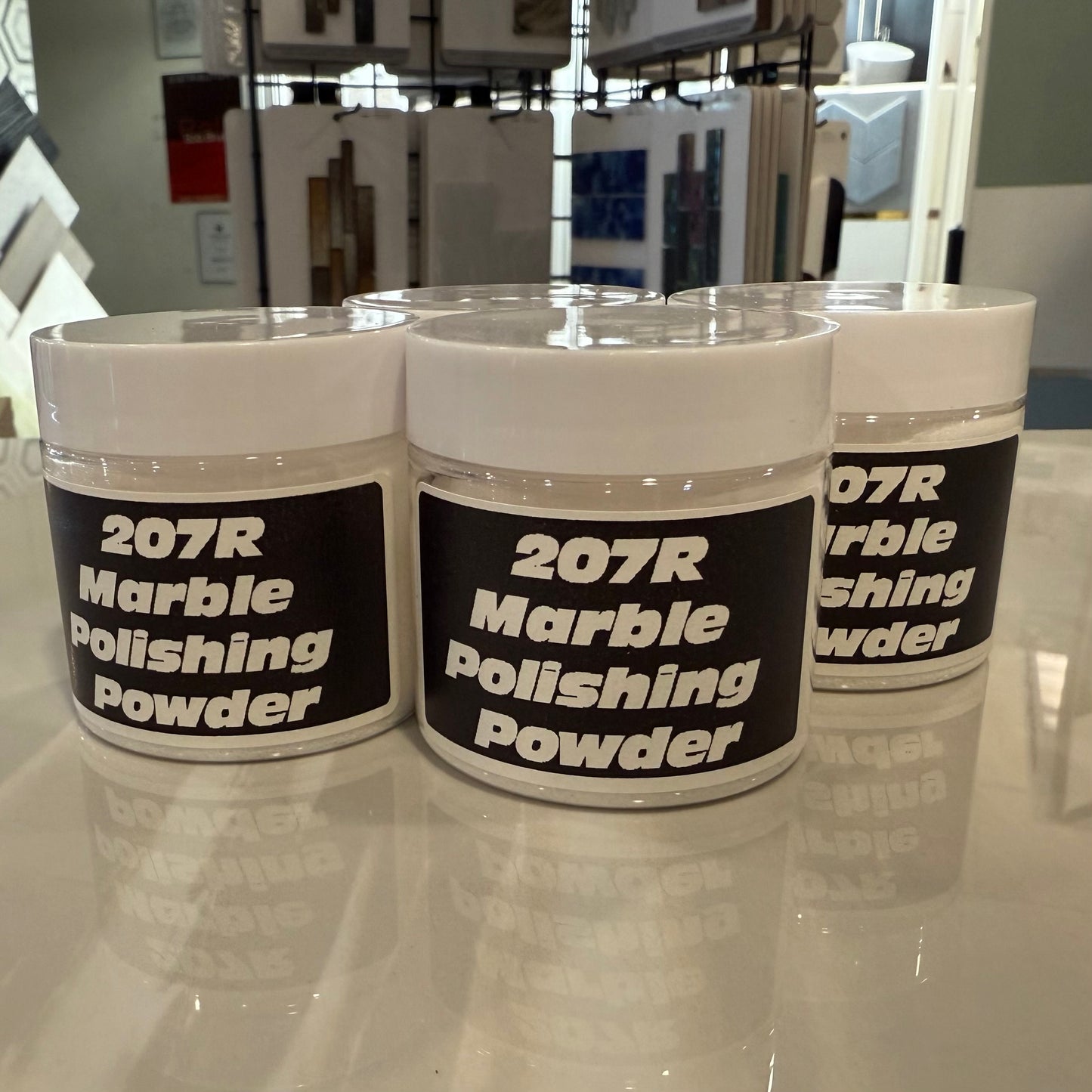
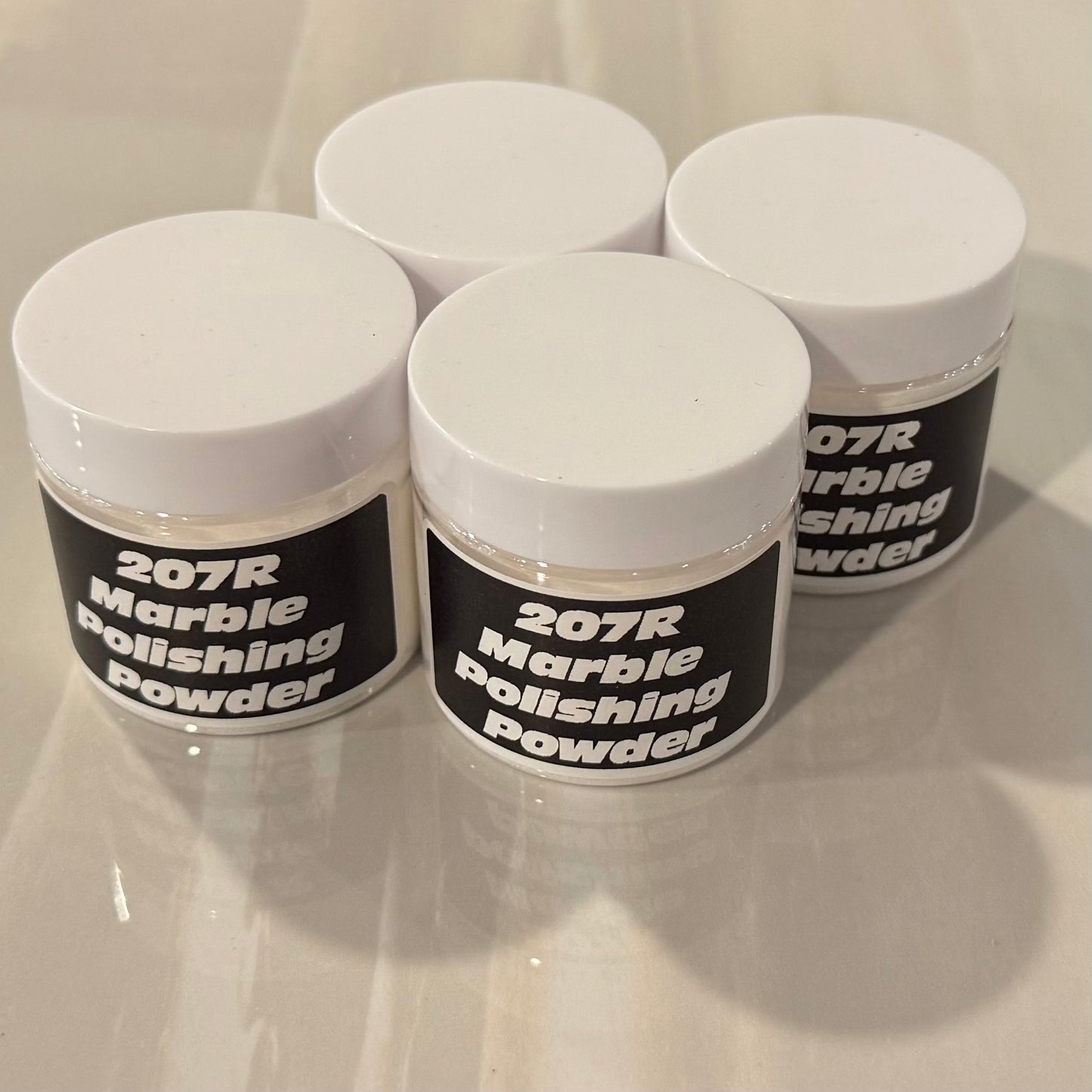
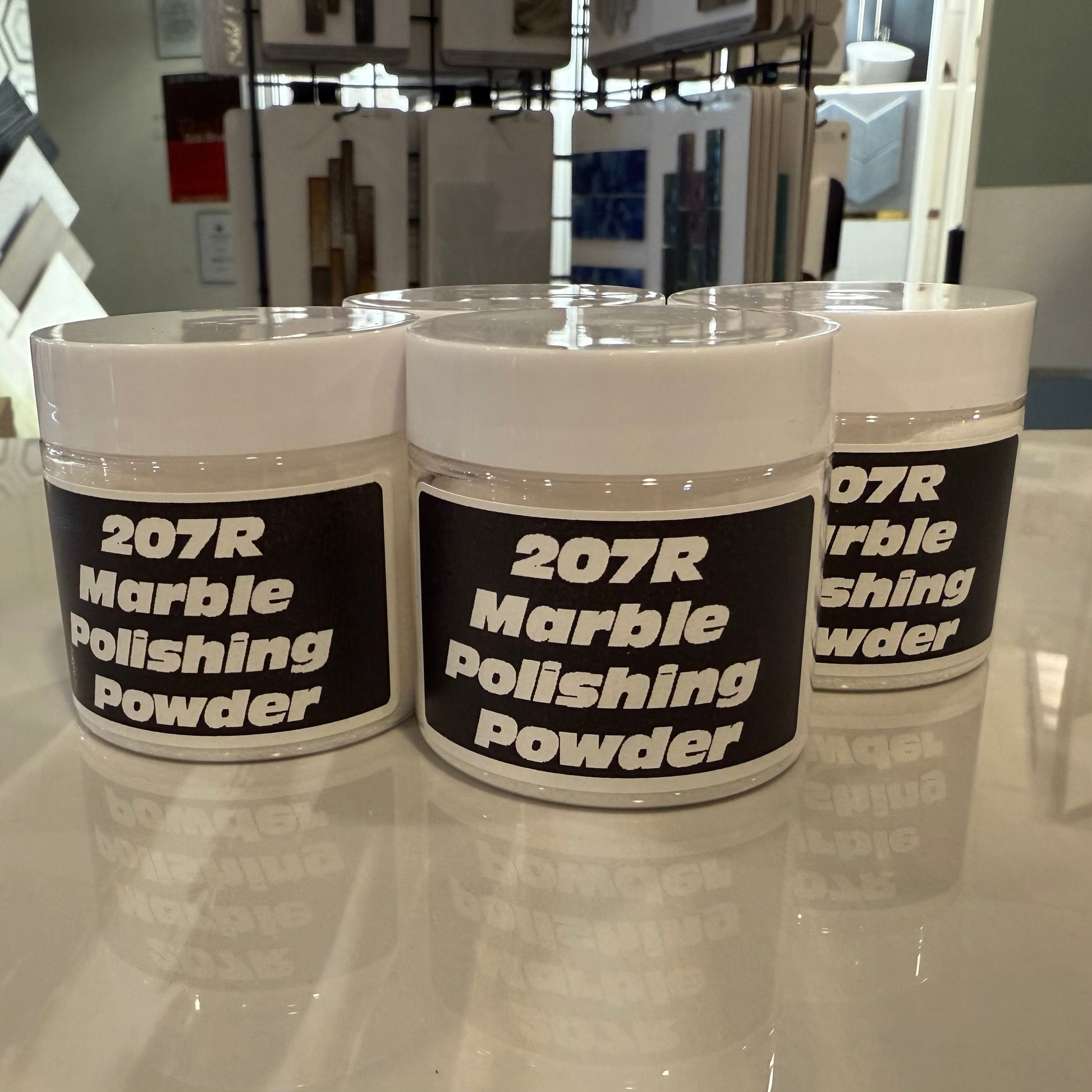
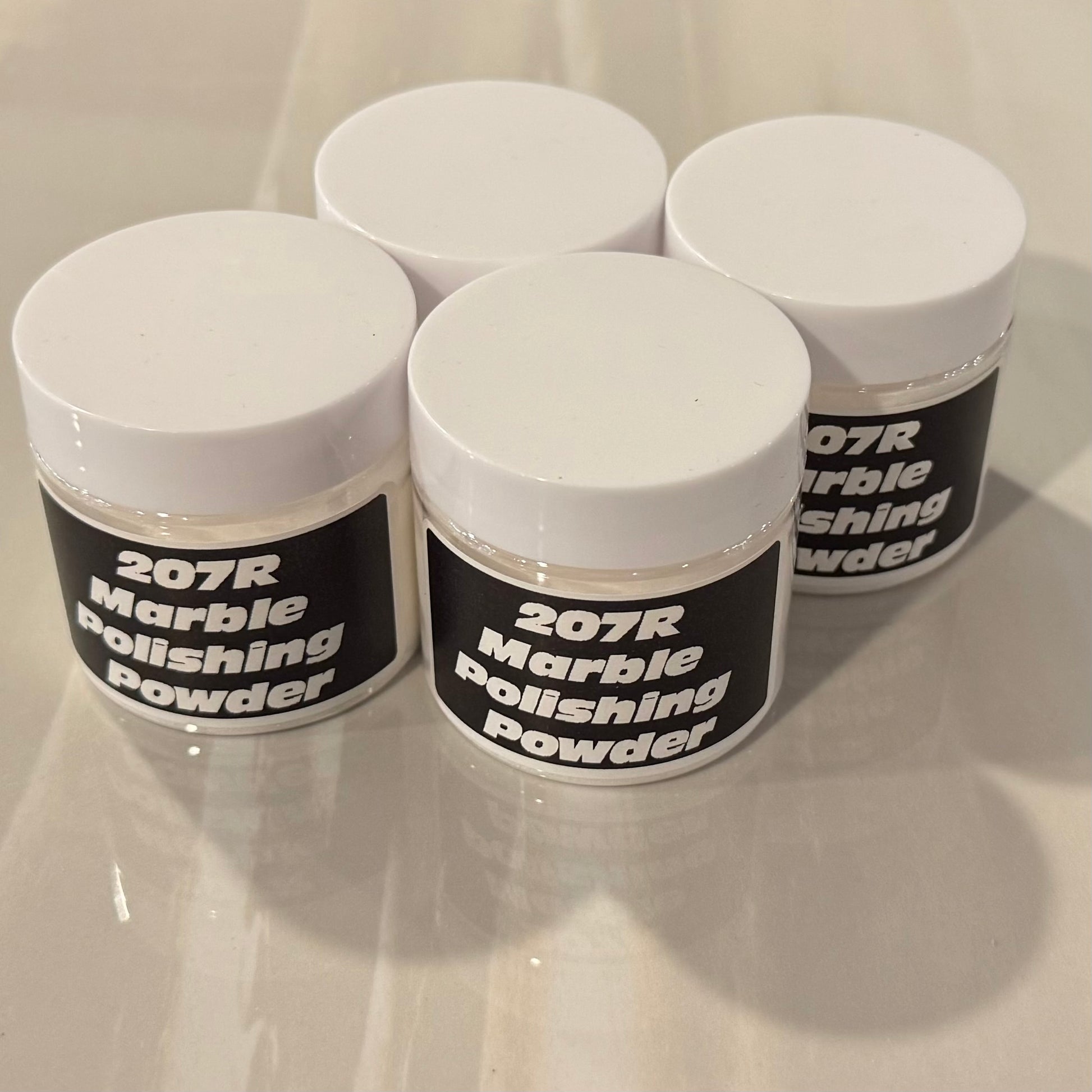
Marble Polishing Powder is a professional-grade formulation engineered for restoring luster to calcium-based stone surfaces. Leveraging oxalate chemistry and specialized additives, this powder transforms surface calcium particles into a polishable state, delivering renewed high-gloss finishes. Ideal for touching up dull patches and reviving worn polish on marble, travertine, carrara, thassos, and terrazzo. Not recommended for granite, quartzite, or engineered stone.
Professional Application Guide: Marble Polishing Powder
To achieve a high-gloss, factory-quality finish, follow these expert protocols for surface preparation and product execution.
1. Surface Preparation
For the polishing powder to react correctly, the stone must be properly stripped and cleaned.
- Initial Cleaning: Ensure the surface is entirely free of polymers, acrylates, or wax layers. Use a dedicated cleaner or stripper to achieve a pristine surface.
- Surface Condition: For optimal results, the stone should be pre-sanded with a 300 to 400 grit polish.
-
Equipment Selection:
- Small Surfaces/Patchwork: Hand-polishing is possible for touch-ups, though it yields a lower gloss level. A polishing machine (approx. 1,000 rpm) is preferred.
- Floors: Use a single-disc polishing machine (140–180 rpm) with a weight load of 90–110 lbs.
- Pads: Always utilize a white nylon polishing pad.
2. Execution & Methodology
Work in manageable segments of 100 to 150 ft² to maintain control over the chemical reaction.
- Application: Thoroughly wet the surface with water. Spread a small quantity of Marble Polishing Powder and begin polishing immediately.
- Consistency Management: As the mixture becomes pasty, add small amounts of water. Continue polishing until your desired gloss level is achieved.
- Neutralization & Cleanup: Once finished, immediately rinse the surface with an alkaline cleaner (diluted 1:10 to 1:20). Remove all residue using a wet/dry vacuum or cloth.
3. Expert Advice for Best Results
- Preventing Etch Marks: Consider wetting the surface with an alkaline cleaner instead of water before starting. This minimizes the risk of matte stains caused by splashes on sections already polished.
- Small Area Technique: For smaller zones, you may mix the powder directly with an alkaline cleaner to create a paste for easier use.
Important Considerations
- Protection: Mask and protect adjoining surfaces such as wood, parquet, and carpets from splashes.
- Pre-Testing: Some stone types are naturally resistant to polishing. Always perform a test in an inconspicuous area before full-scale application.
- Limitations: This process is designed for surface refinement; it will not remove deep scratches.
- Coverage: Approximately 10 sq. ft. per unit.